Featured Articles
Dave Bookbinder is a business valuation expert, ASA and CEIV, with decades of experience valuing privately held businesses, intellectual property and other intangible assets. In these articles, Dave explores business valuation, business value drivers, buy-sell agreements, exit planning, human capital, intangible assets and the factors that can make one business worth more than another.
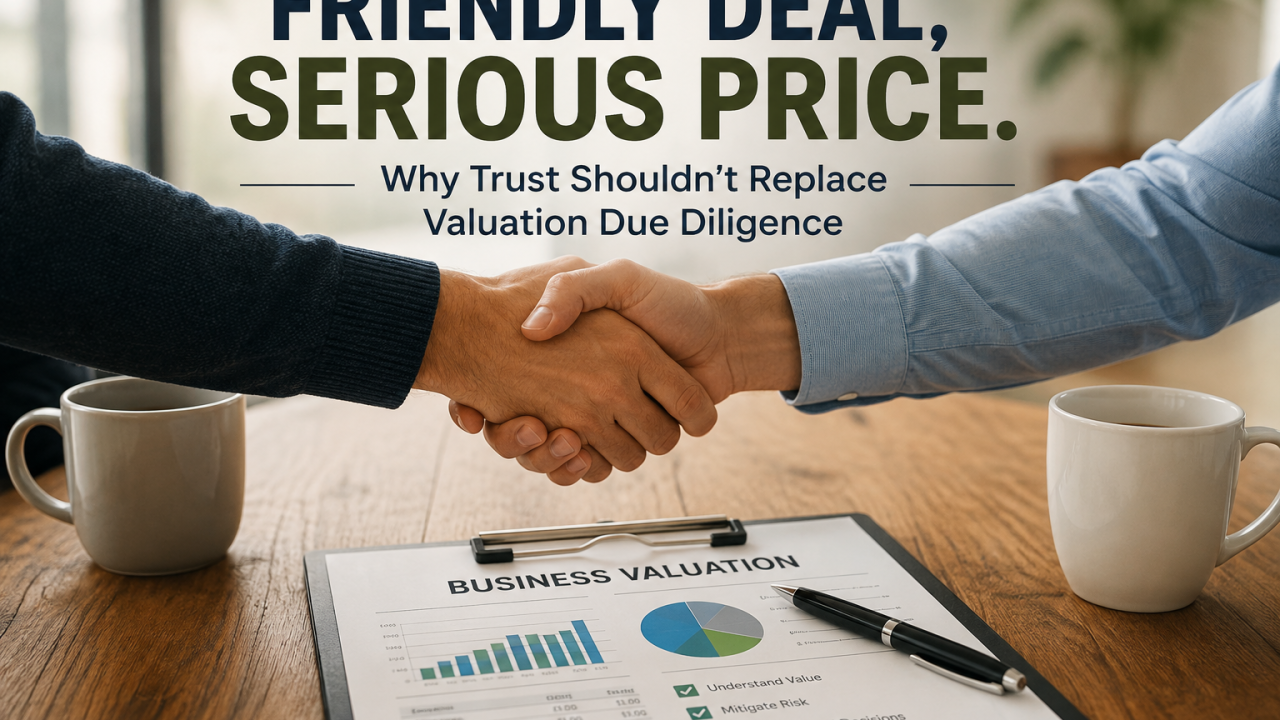
Friendly Deal, Serious Price: Why Trust Shouldn’t Replace Valuation Due Diligence
When a buyer and seller like each other, a business transaction can seem refreshingly simple. So when the conversation turns to price, the thinking can be: “We know each other. We both know the business. Let’s just come up with a number that feels fair.”
I understand the appeal, but trust between the parties doesn’t eliminate uncertainty about the value of the business. In fact, when the relationship is good, there is a compelling reason to introduce some objectivity into the process – not because anyone is acting in bad faith, but because neither party necessarily knows what the business is worth.
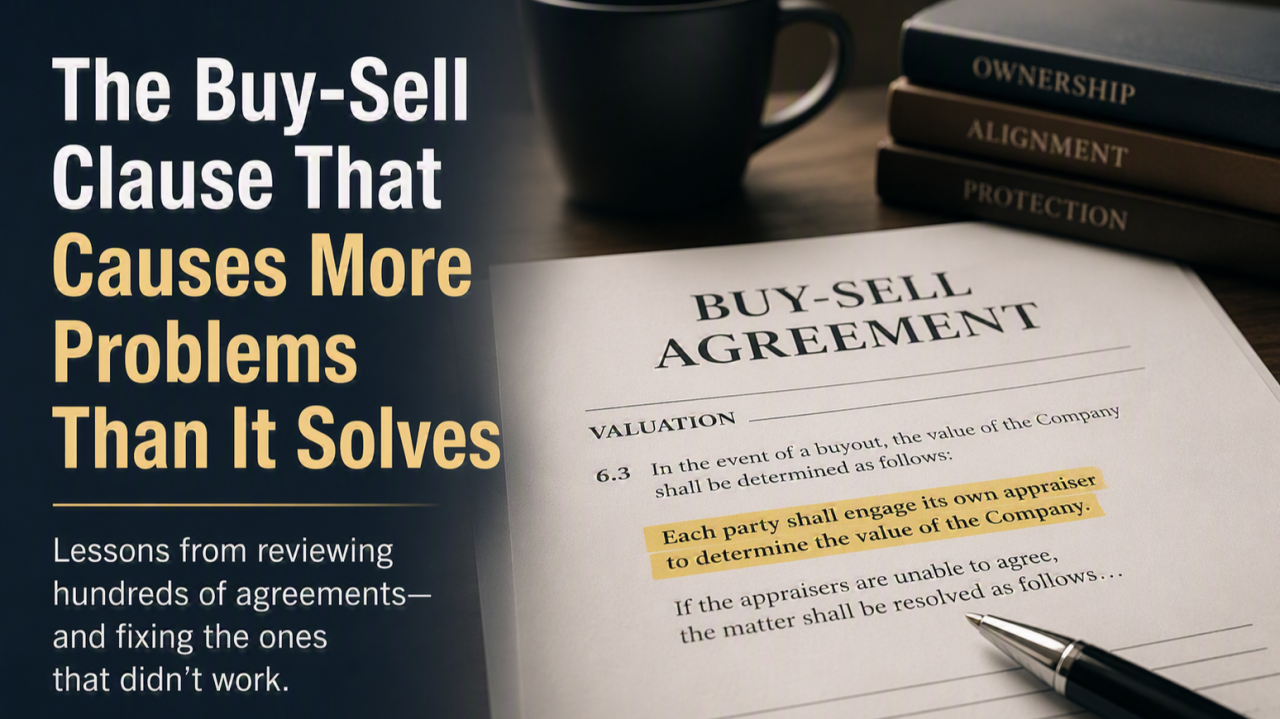
The Buy-Sell Clause That Causes More Problems Than It Solves
I was on a call recently with a group of partners working through the buyout provision in their shareholder agreement.
Smart group. Good dynamic. Doing this early, which is exactly when it should happen.
And then this came up: “In a buyout, we’ll each hire an appraiser.”
I hear some version of this all the time. I’ve reviewed a lot of buy – sell agreements over the years, and this is one of the most common provisions I see. It almost always makes sense when it’s drafted. The problems don’t show up until someone actually has to use it.

Why Two Companies With the Same Revenue Aren’t Worth the Same
When business owners think about valuation, the focus is usually on revenue, profitability, and EBITDA. And while those numbers matter, they don’t tell the whole story.
The reality is that two businesses with similar financials can have very different values based on what’s happening behind the scenes. Here are some of the hidden factors that influence what your business is really worth; things that don’t always show up on a financial statement but can make or break a deal.
The Fallacy of Ballpark Estimates: Why a Proper Business Valuation is Worth the Investment
Imagine you’re making one of the biggest financial decisions of your life; selling your business, securing financing, or planning for succession, based on guesswork.
Yet, this is precisely what happens when business owners rely on “ballpark” estimates instead of a professional valuation. At first glance, the appeal of a quick, low-cost estimate is understandable. However, these estimates are riddled with risks, potentially costing you far more than they save. As a business valuation expert with decades of experience, I’ve seen firsthand the damage that a poorly informed estimate can cause.


In The Shark Tank It’s All About Valuation
Unless you do what I do for a living, “valuation” probably isn’t a word you hear every day.
But it is a word you hear a lot on the TV show Shark Tank.
And it’s usually a point of controversy.
But why do the entrepreneurs and the Sharks differ on valuation?
Unlocking Value Through Human Capital: A New Frontier in Business Valuation
In the world of business valuation, traditional models have long prioritized financial metrics such as earnings, assets, and cash flow.
But as businesses evolve, especially in service and technology sectors, intangible assets, particularly human capital, have emerged as pivotal drivers of success. Despite the critical role of employees, conventional accounting and valuation methods fall short in capturing the true value that people bring to an organization.


The EBITDA Multiple: The Silver Bullet of Business Valuation
“Valuations are up.”
“Multiples are very attractive now.”
These are comments that get business owners and shareholders excited, but what does it really mean for you?
If you’re at a publicly traded company, you can check your firm’s stock price and generally know what those comments mean for you, but if you’re at a privately held company you don’t have that real-time feedback.
What Is My Business Worth?
“What is my business worth?”
That’s one I get a lot… “Give me a rough idea – back of the envelope.”
And as an old mentor of mine known as ‘Dr. Value’ would say: “It Depends.”
Most people don’t wake up one morning and think: “I wonder what my business is really worth?”
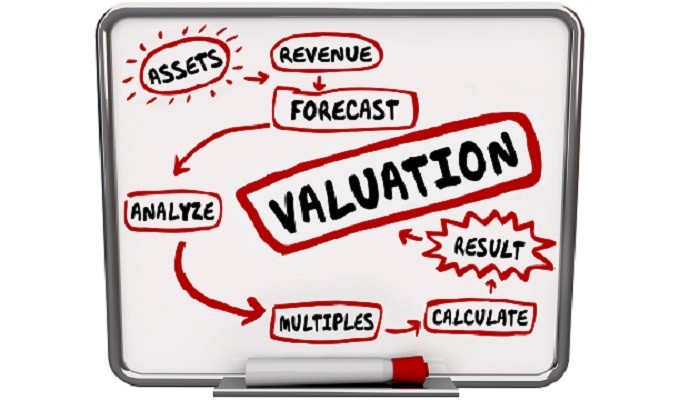

The Hidden Factors That Drive Business Value
When business owners think about valuation, the focus is usually on revenue, profitability, and EBITDA. And while those numbers matter, they don’t tell the whole story.
The reality is that two businesses with similar financials can have very different values based on what’s happening behind the scenes. Here are some of the hidden factors that influence what your business is really worth; things that don’t always show up on a financial statement but can make or break a deal.
How to Make Your Business More Attractive to Buyers and Investors
At some point, every business owner thinks about an exit – whether that’s selling to a third party, transitioning to the next generation, or bringing in an investor. The key to getting the best valuation isn’t just about revenue or profitability; it’s about building a business that runs smoothly, generates predictable cash flow, and doesn’t rely too much on you.
If you want to maximize the value of your business, here are a few things to focus on.


Why Every Business Owner Needs a Valuation Toolbox
Most business owners have a general idea of what their house is worth. They probably know the value of their investment portfolio, too.
But ask them what their business is worth – the single largest component of their net worth – and most will admit they don’t really know.
That’s not just an academic issue. It’s a planning issue. It’s a financial health issue. And for some, it’s a retirement issue.
According to CNBC, 98% of small business owners don’t know the value of their company. That’s an astonishing statistic when you consider how much time, energy, and sacrifice go into building a business.
7 Reasons Why You Should Get a Business Valuation
Your house and your investment portfolio are significant portions of your liquid assets, and you probably have a general idea of what both are worth at any point in time.
But if you’re a business owner, there’s a good chance that you don’t know the value of your business, even though it may be your largest source of wealth.
Many business owners, CEOs and CFOs don’t engage in a formal business valuation exercise because they *think* they know the value of their business.
That can be a dangerous assumption.